What Is Arts Integration?
The Kennedy Center defines it as an approach in which students “construct and demonstrate understanding through an art form.” In practice, that means the arts are not simply added onto academic work. They become part of how students explore, process and communicate what they are learning.
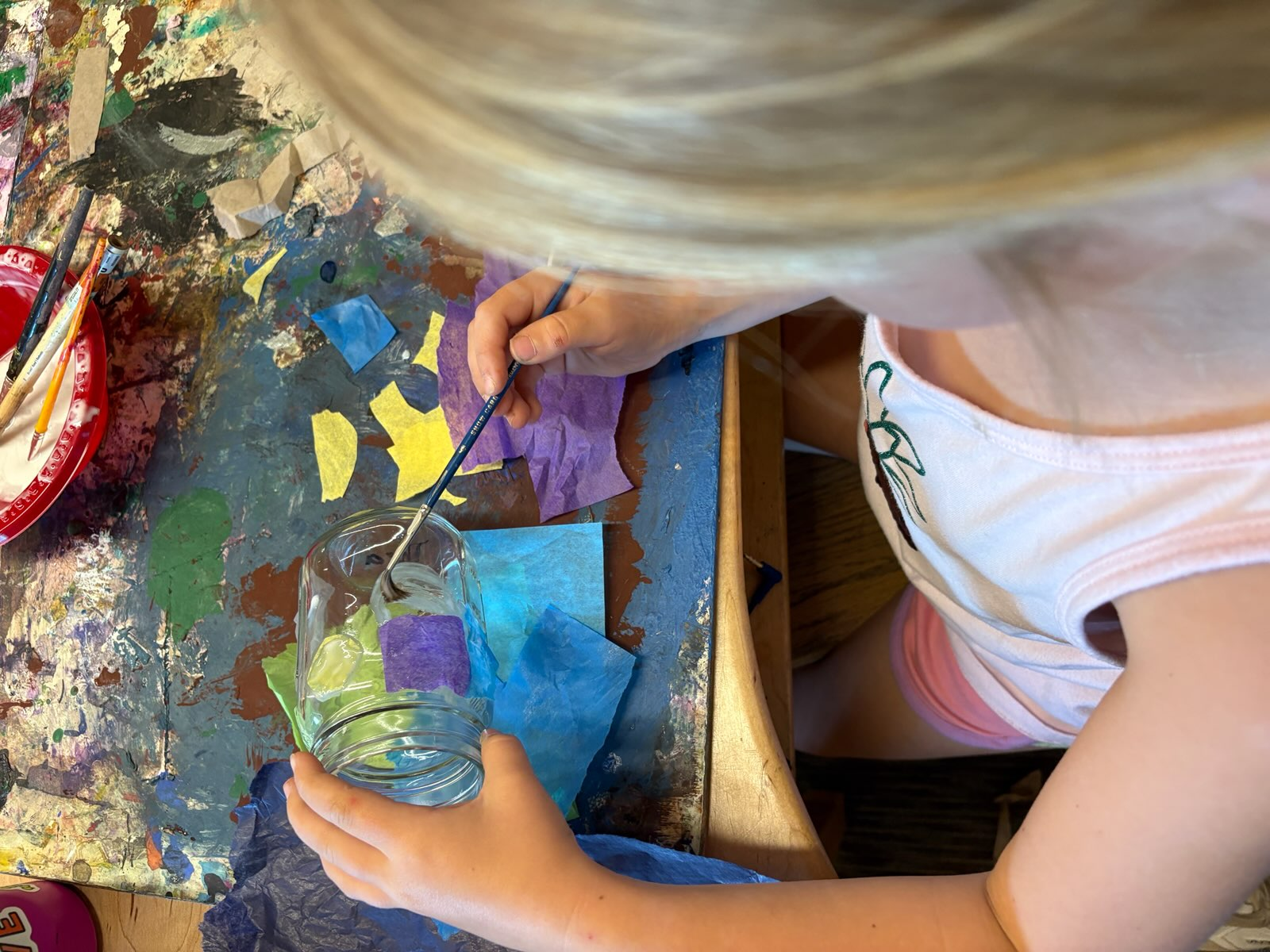
At BCSIS, that can mean theater, visual art, music, movement, storytelling or design becoming part of learning in literacy, math, science or social studies.
A quick introduction to arts integration
If you want the short version, this external video does a great job of explaining the idea:
An outside perspective on what arts integration is and how it works in the classroom.
The art is part of the thinking
The distinction is important.
Arts integration is not just drawing a picture after a science lesson or putting on a costume after finishing a report.
The artistic process should require students to use what they know.
A student might need to understand a character well enough to perform that person in a speech. They might need to know a story well enough to improvise a scene. Or they might need to understand an energy system well enough to build and visually explain a model.
That is where the academic work and the creative work begin to overlap.
Why does that matter?
Arts integration asks students to move beyond simple recall.
They may have to observe closely, interpret, make choices, revise, explain, imagine or communicate an idea in a new form.
Harvard Project Zero has spent decades studying learning in and through the arts. Its Studio Thinking research identified habits such as Observe, Envision, Reflect, Engage & Persist, Express, and Stretch & Explore as forms of thinking developed through serious arts learning.
That does not mean art automatically makes students better at every academic subject. In fact, Project Zero researchers have cautioned against making overly broad claims about the transfer of arts learning to test scores or unrelated academic skills.
The argument for arts integration is more straightforward: the arts give students additional ways to think deeply about content and make their understanding visible.
What this looks like at BCSIS
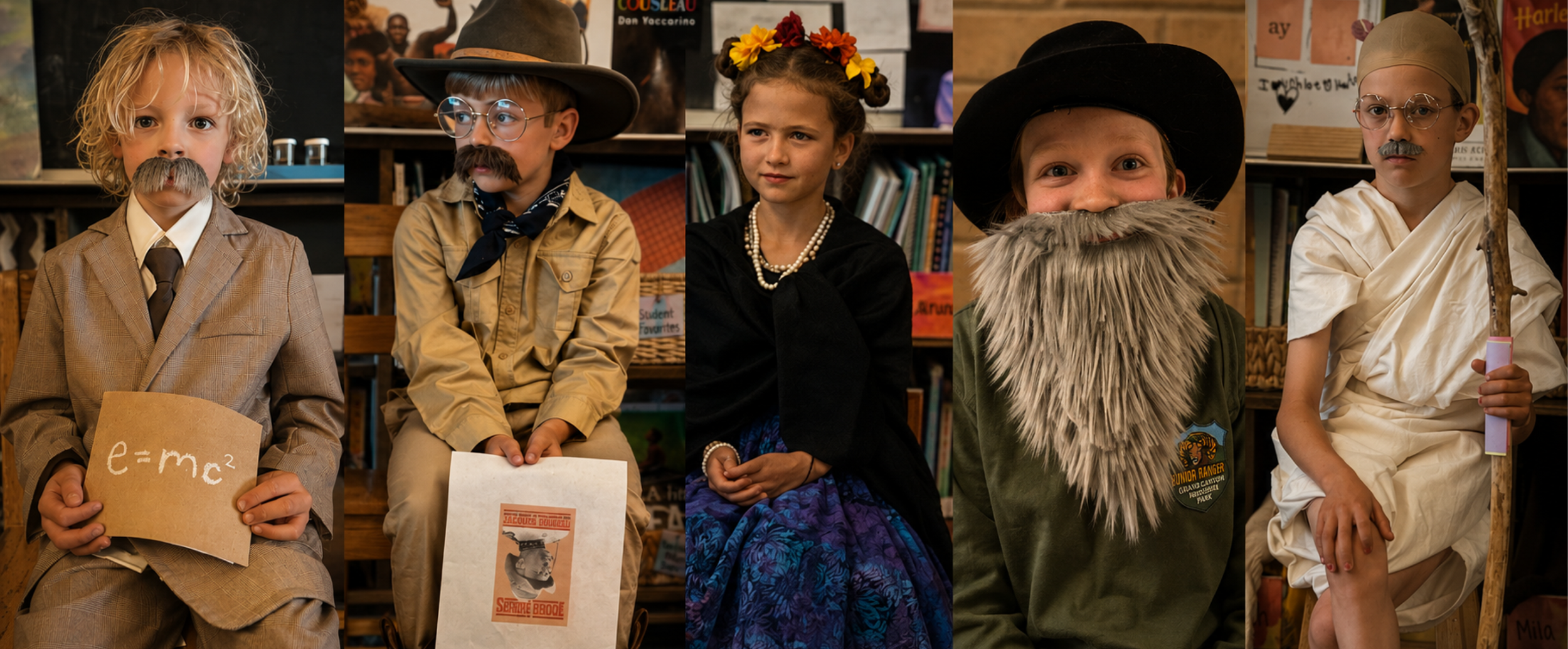
In the second-grade Heroes unit, students explore what makes someone a hero through literature, biography, history and social-emotional learning. Each student researches a notable person and then steps into character to give a speech based on what they learned.
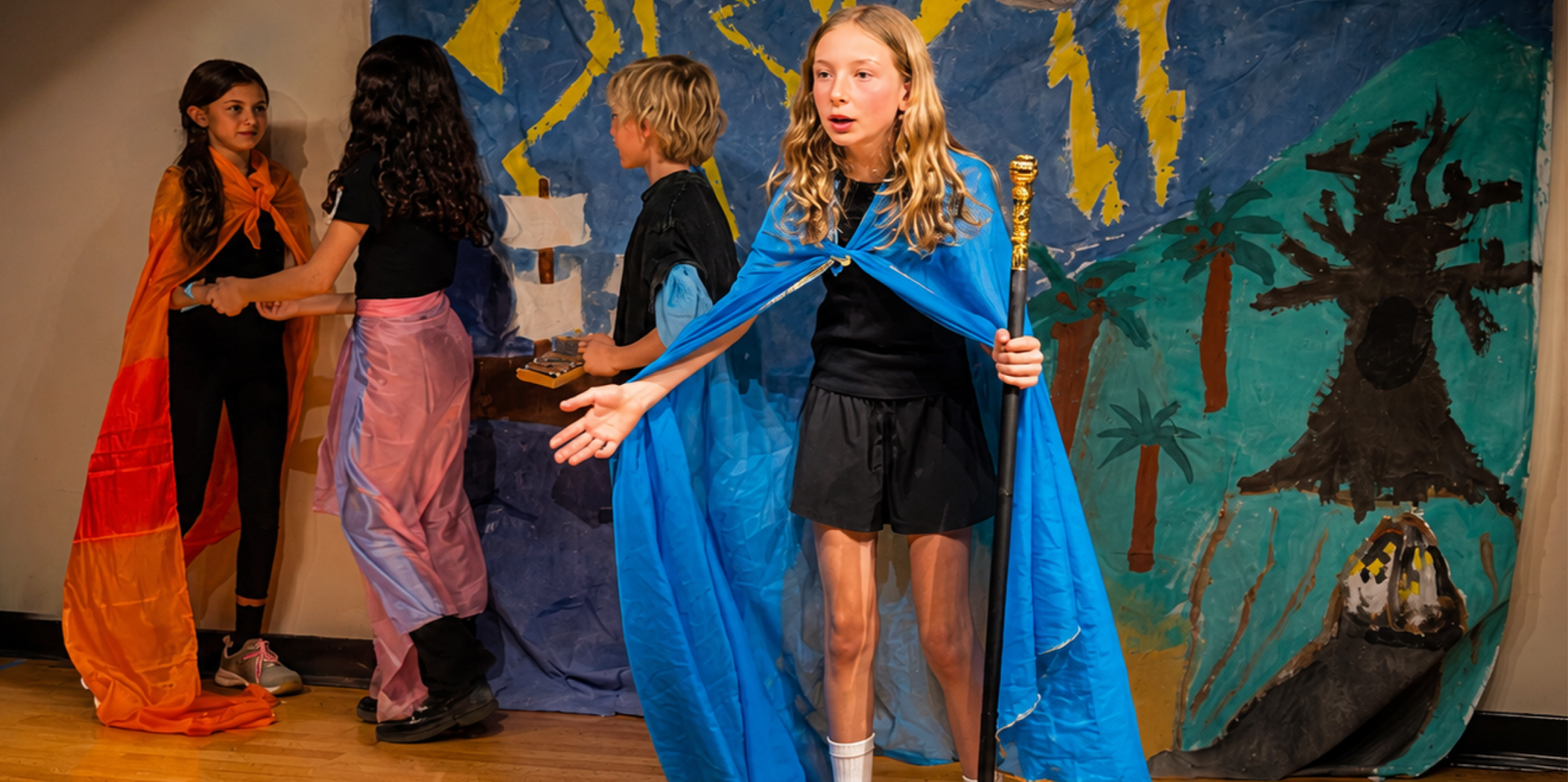
During a Renaissance study, students work with Shakespeare through performance rather than simply memorizing a script. They learn the story and characters well enough to retell scenes in their own words and improvise the action.
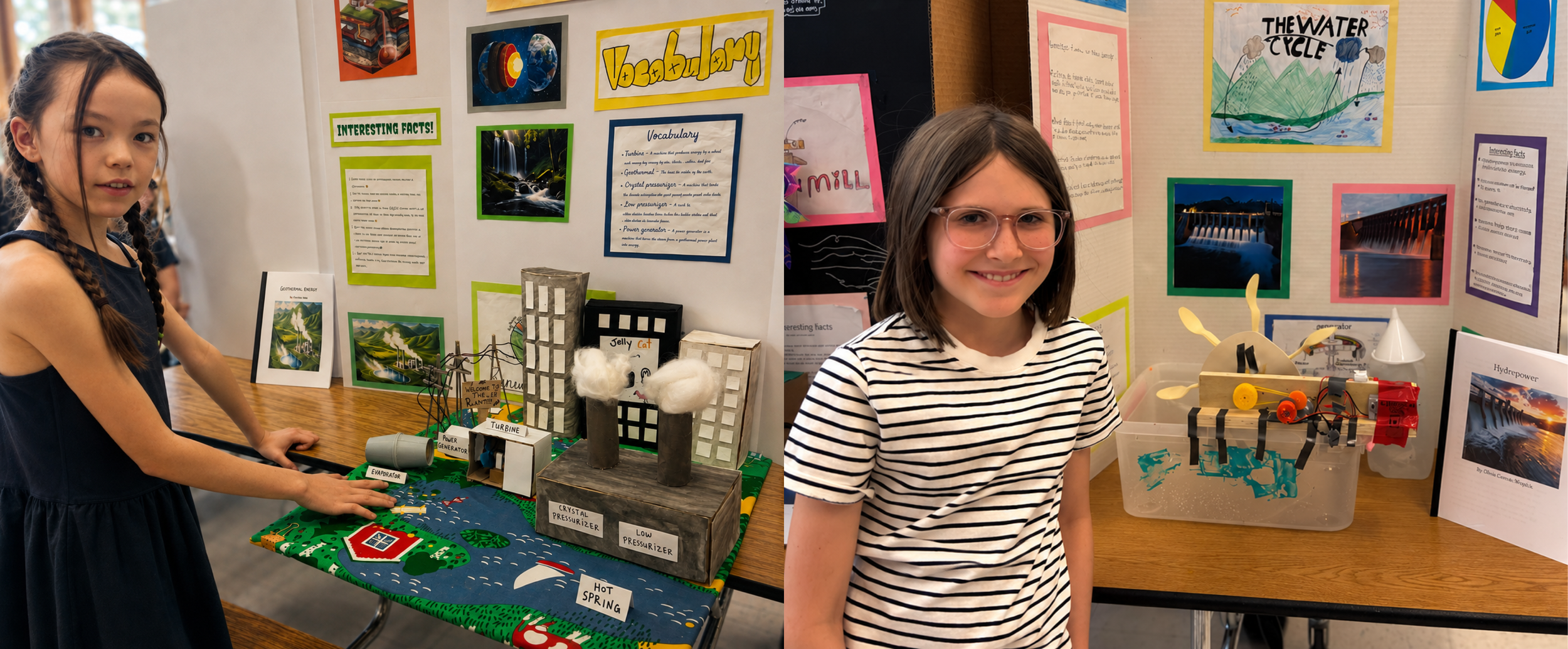
At the Climate Expo, students study energy and natural resources, then use research, design and model-building to explain what they have learned and communicate environmental ideas to an audience.
Arts integration is one piece of a larger model
At BCSIS, arts integration works alongside integrated curriculum, meaning subjects are often connected around a larger theme or area of study rather than always taught in isolation.
That is why a Heroes unit can include literature, history, social-emotional learning, research and performance. A Renaissance unit can connect history, biography, literature and theater. A Climate Expo can combine science, environmental studies, design and communication.
BCSIS teachers still work from BVSD academic standards. The difference is in how students are invited to engage with them.
The short version
Arts integration is not about replacing academics with art.
It is about asking students to know something well enough to interpret it, build it, perform it, design it or explain it in another form.
That is what makes the arts useful as a tool for learning.